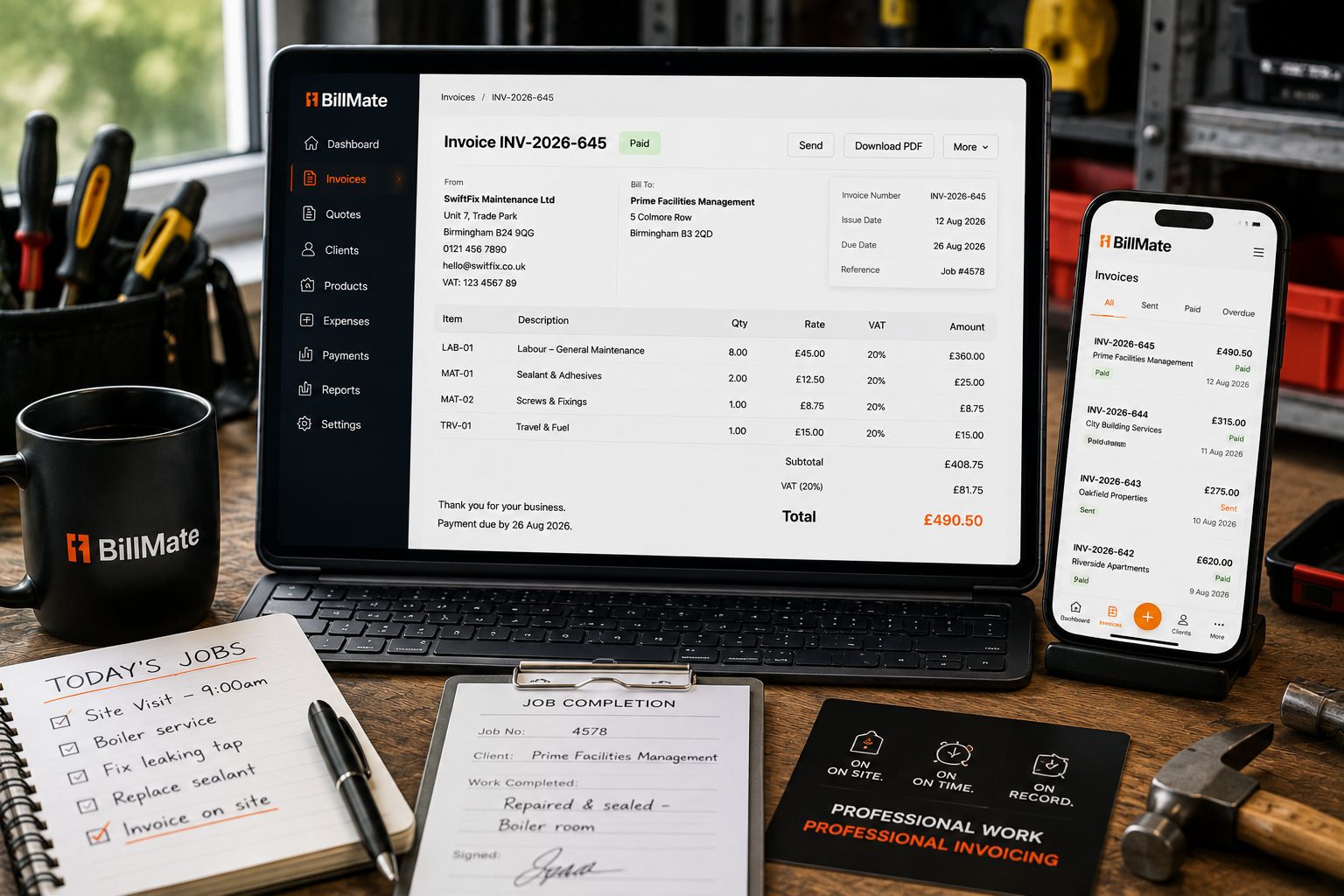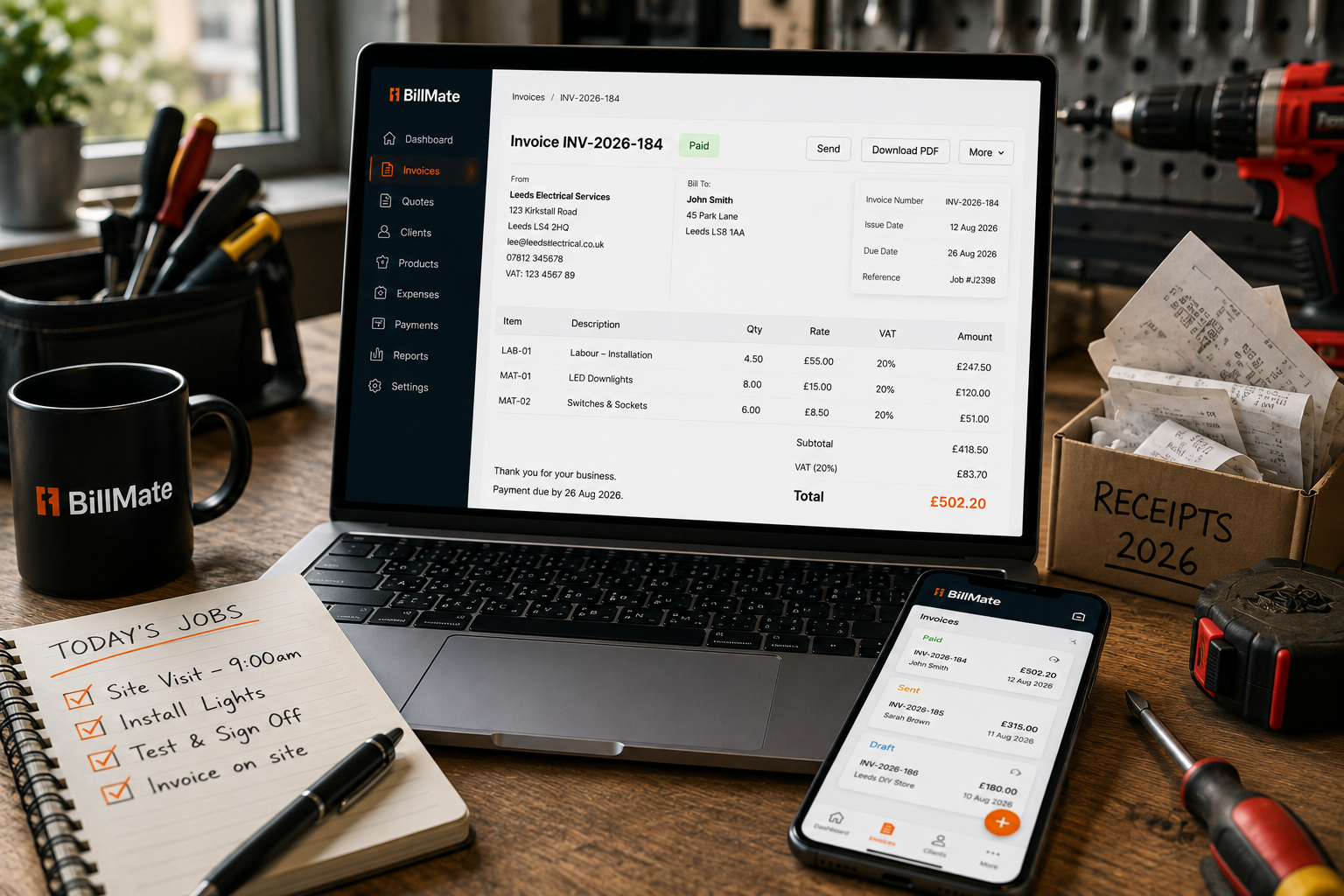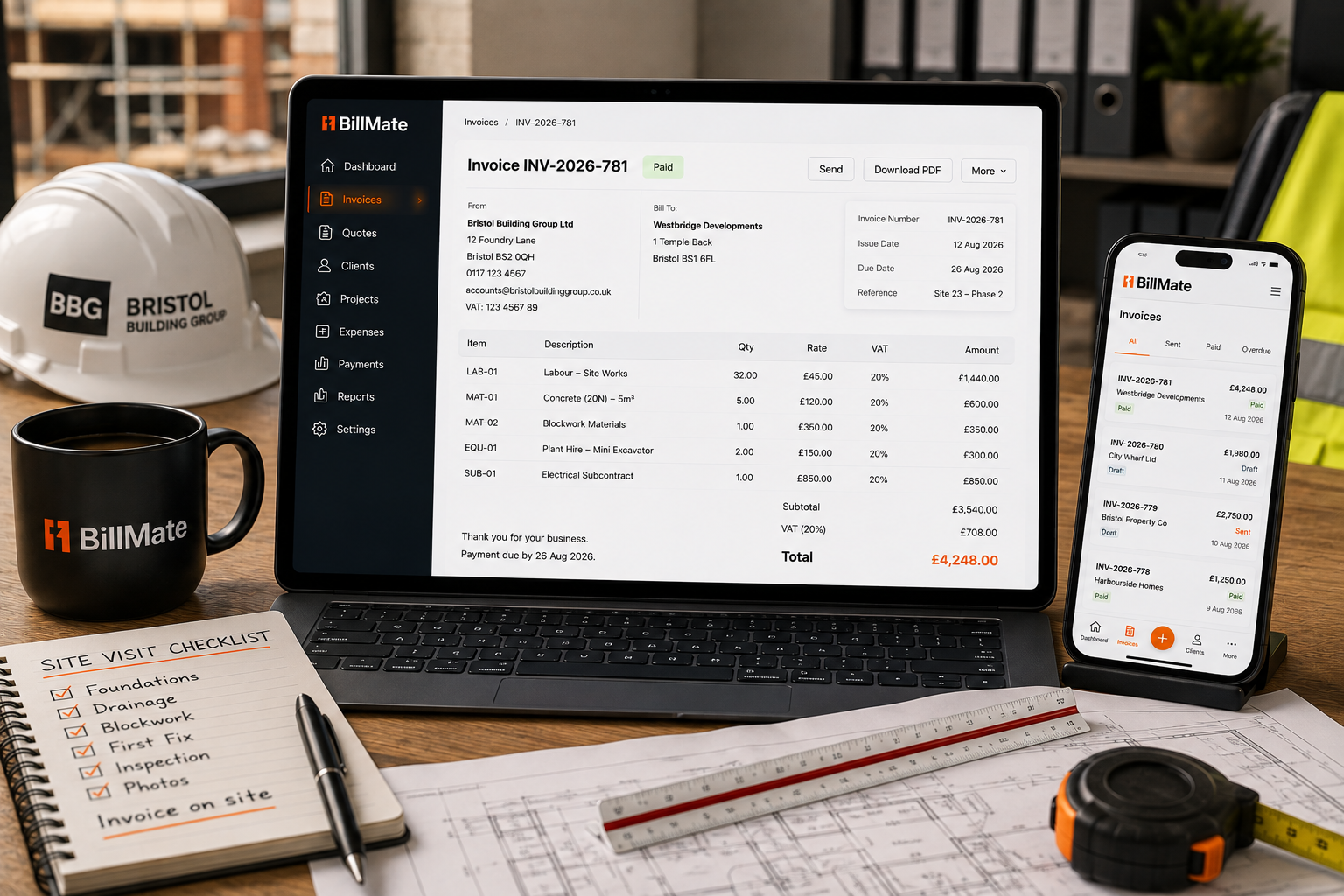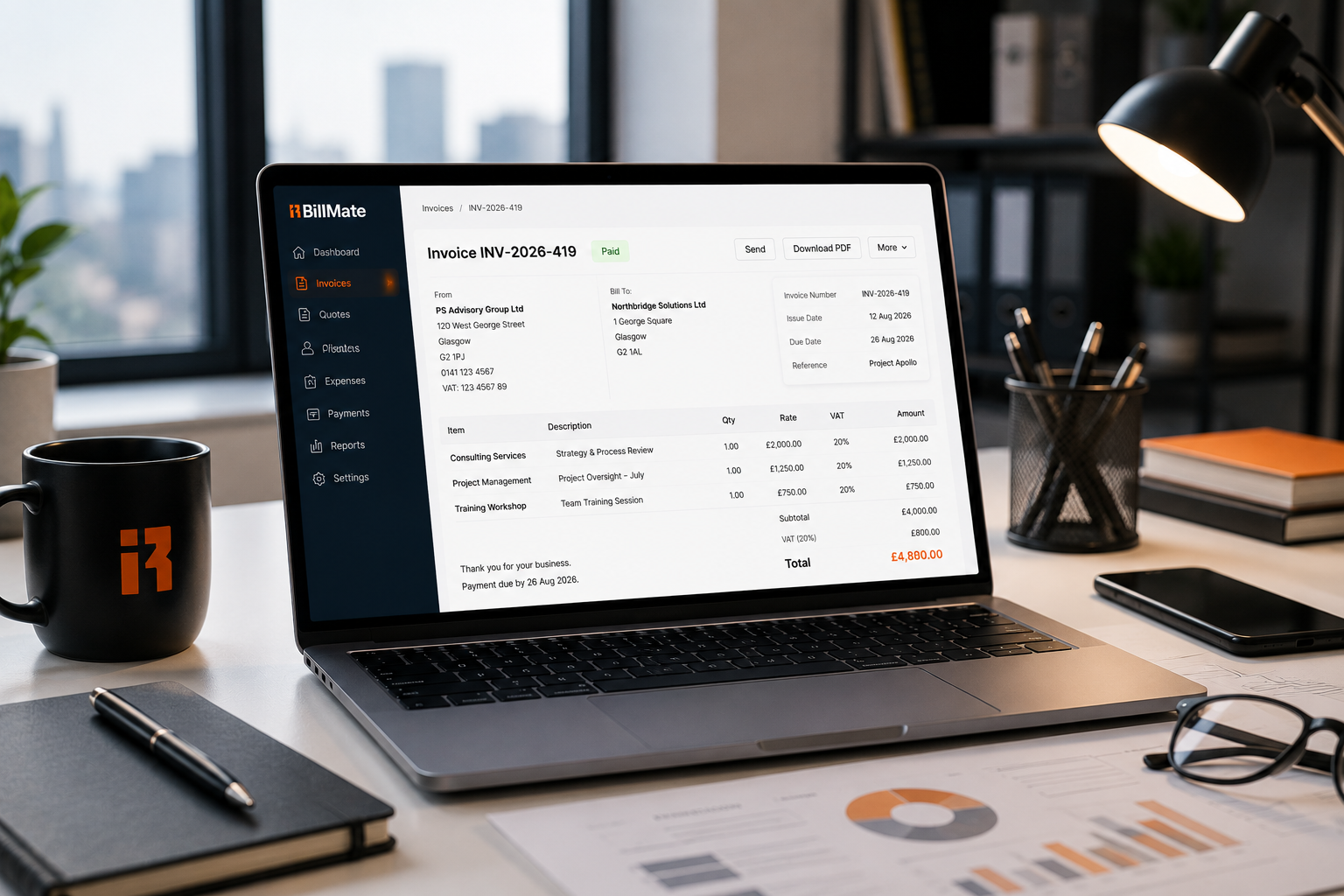
Northern Star Cleaning ran dozens of commercial contracts on a web of spreadsheets — and the gaps between those sheets were where billable work quietly disappeared. This is how moving to BillMate turned a manual monthly invoicing marathon into a short routine, made contract profitability visible site by site, and handed roughly twelve hours a month back to the office.
The Challenge
The Newcastle-based cleaning company managed its contracts through separate spreadsheets — one for schedules, one for billing, one for supplies — and keeping them in step was a job in itself. A deep clean booked at short notice could be carried out perfectly and then simply never make it onto an invoice, because the sheet it needed to land in was not the sheet anyone was looking at that day.
Generating the monthly invoices for regular contract cleans was a manual marathon: copying figures between sheets, cross-checking which sites had been serviced, and hoping nothing had changed since the last saved version of the file. It was slow, it was error-prone, and it scaled badly every time the business won another contract.
Because supplies and hours were never tied cleanly to a specific site, the company could not see which contracts actually made money. Profitability was a feeling rather than a figure, which made pricing new work more of a guess than it should have been.
The Switch To BillMate
BillMate replaced the spreadsheet web with a single system. Regular contract cleans now go out as consolidated monthly invoices, while one-off deep cleans are billed separately at the time the work is done — so nothing waits in a sheet to be remembered, and short-notice jobs stop slipping through.
The CRM tracks which client sites have been serviced, so billable hours are captured against the client record as they happen rather than reconstructed at month-end. Supplies are logged per site too, which is what finally turned contract profitability from a hunch into something the team can actually read.
How They Use BillMate Day-To-Day
The office now generates a full month of contract invoices in a fraction of the time the spreadsheets demanded — the company puts the saving at around twelve hours a month. That time did not vanish into another task; it came back as genuine capacity to quote, plan and chase.
Supervisors use the mobile app on-site to check a client's billing history on the spot, which has ended a whole category of awkward phone calls back to the office. And because every deep clean is billed as it happens, the revenue leak that used to come with short-notice work has effectively closed.
With supplies and hours attributed per site, leadership can look at any contract and see whether it is genuinely profitable — the input that makes renewals and new pricing far more confident.
The Features Doing The Heavy Lifting
Three capabilities carried most of the improvement for this cleaning company:
- Consolidated monthly contract invoices, generated in minutes rather than hours
- One-off deep cleans billed at the time, so nothing slips off an invoice
- Per-site expense and hours tracking that makes contract profitability visible
- A mobile app so supervisors can check billing history on-site
- Consistent, professional invoices that stand up in front of larger clients
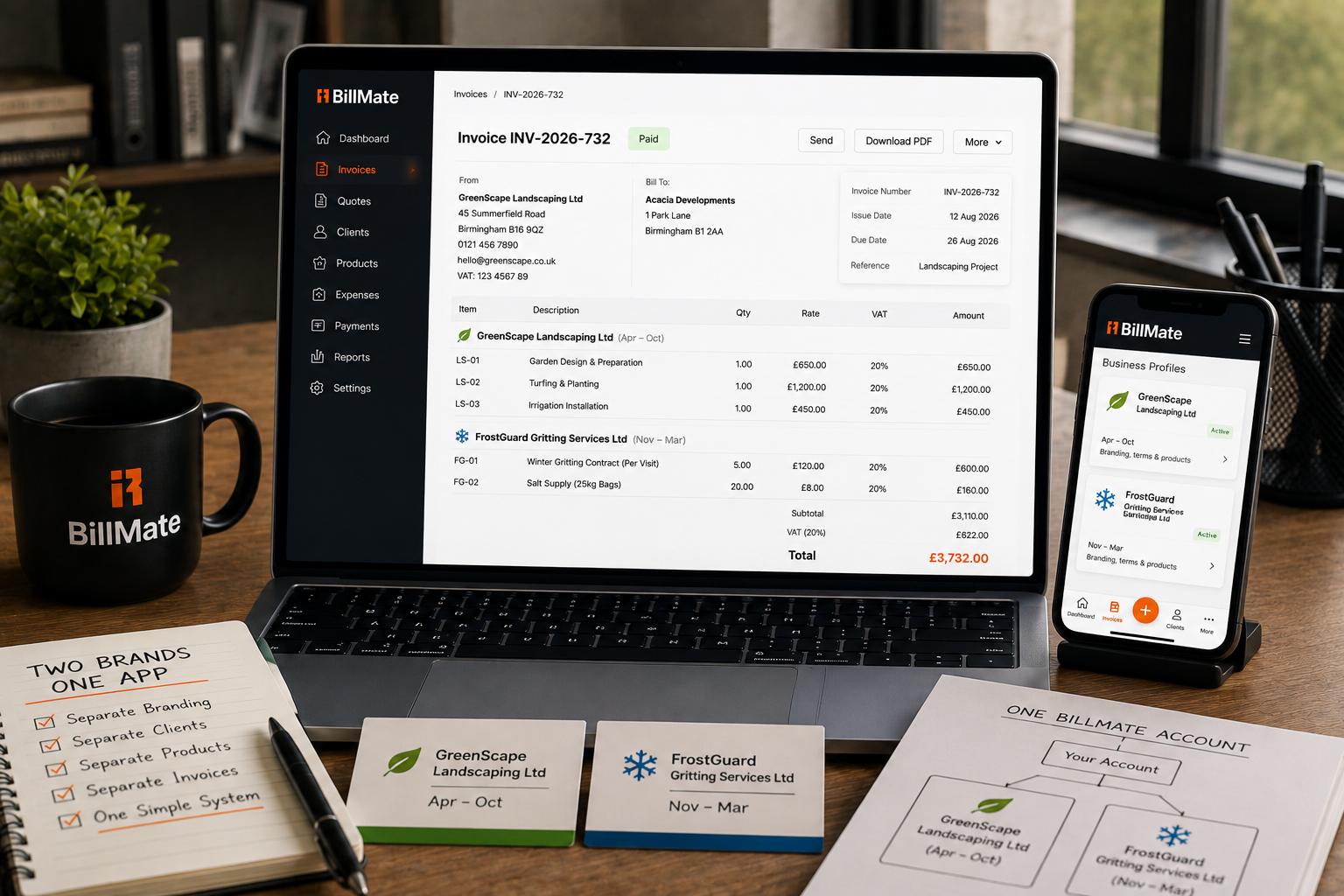
Businesses running more than one trading arm can keep them cleanly separated with multi-business support under one subscription.
The Results
For a contract business, the wins compounded month after month:
- Around 12 hours a month saved on manual invoice generation
- Accurate tracking of supplies and expenses per client site
- Contract profitability visible for the first time, site by site
- A sharper, more professional image that helped win larger office contracts
- Supervisors able to check billing history on-site, cutting calls to the office
"We stopped losing deep cleans down the gaps between spreadsheets. Twelve hours a month back, and the invoices look sharp enough that we started winning bigger contracts."
Managing Director, Northern Star Cleaning Company
Advice For Other Cleaning Companies
The company's takeaway was to stop treating billing as a month-end reconstruction and start capturing it as the work happens. Bill recurring contracts in one consolidated run, bill deep cleans on the day, and attribute supplies and hours to the site so you can actually see which contracts pay. Once the admin stops leaking hours and revenue, a more professional invoice does the rest of the work in front of bigger clients.
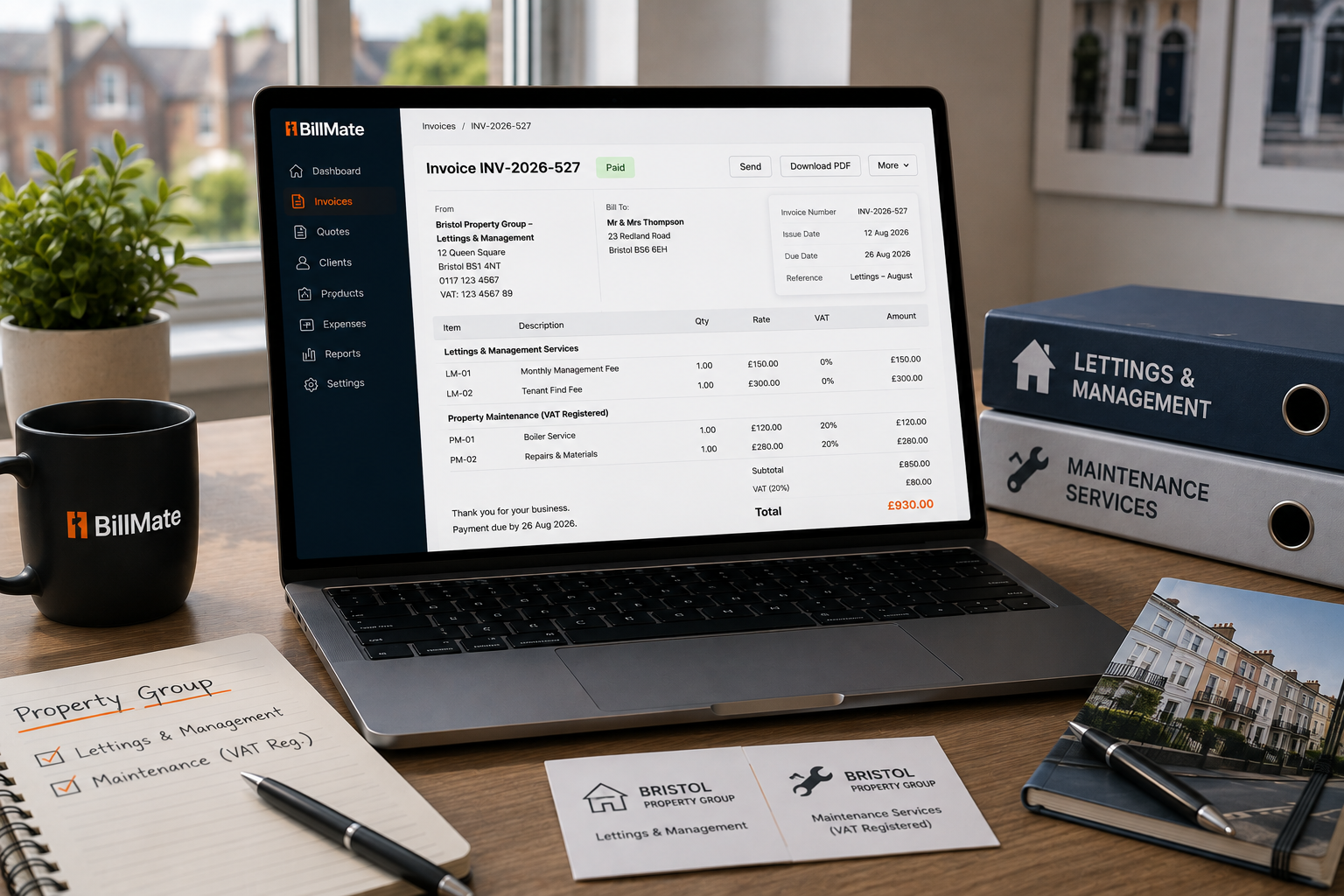
Other contract and multi-site businesses have taken the same route: see how a building group synced site and office without friction, or how a property group separated lettings from maintenance.